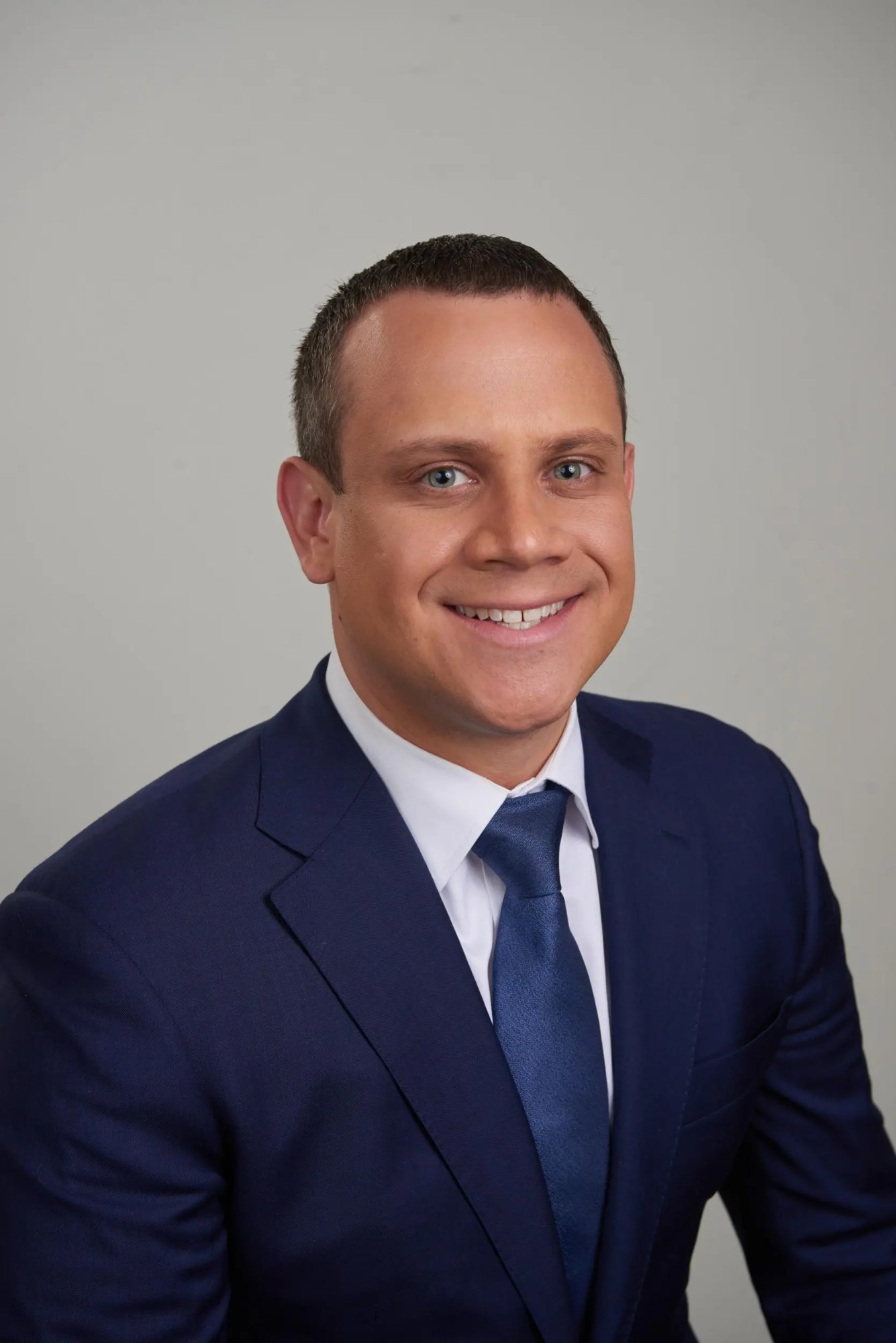
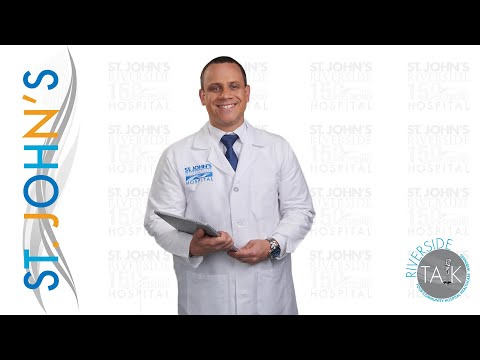
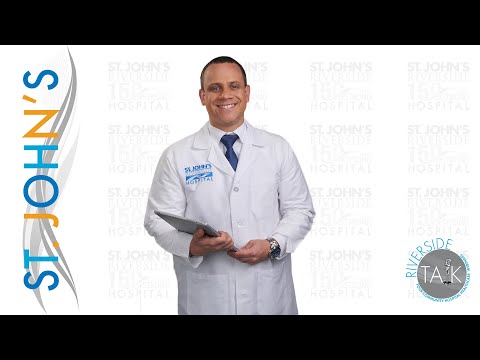
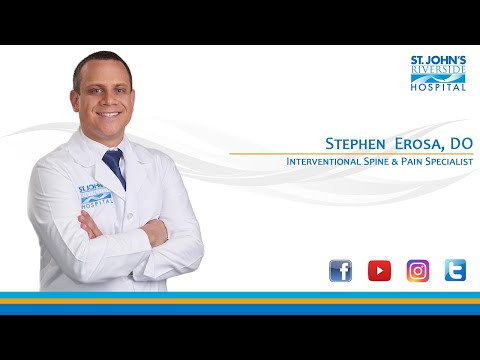
Director of Interventional Pain Medicine & Neuromodulation Assistant Medical Director · St. John's Riverside Medical Group Adjunct Clinical Professor · Lake Erie College of Osteopathic Medicine
Pain PhysicianEducatorInnovatorMedTech Consultant
"It is my mission to identify the cause of your pain and provide a treatment that has the potential to provide the longest lasting pain relief without the need for long-term oral medications."
Affiliated WithSt. John's Riverside Hospital — An Affiliate of the Montefiore Health SystemWhite Plains HospitalRichmond University Medical Center
Credentials
Education & Training
BS — Widener University (Dual Degree 3+4 Program)
DO — Philadelphia College of Osteopathic Medicine, 2013
Internship — Nassau University Medical Center, 2014
Residency — Physical Medicine & Rehabilitation, Montefiore Medical Center / White Plains Hospital
Fellowship — Interventional Pain Medicine, Montefiore Medical Center · Chief Fellow
Board Certifications
Physical Medicine & Rehabilitation
Pain Medicine (Dual Board Certified)
Professional Memberships
American Society of Interventional Pain Physicians (ASIPP)
American Osteopathic Association (AOA)
North American Neuromodulation Society (NANS)
American Academy of Physical Medicine & Rehabilitation (AAPMR)
American Society of Pain and Neuroscience (ASPN)
American Medical Association (AMA)
About
A Born & Raised New Yorker Dedicated to His Community
Dr. Stephen Erosa is a dual board-certified interventional pain management physician, Director of Interventional Pain Medicine & Neuromodulation, Assistant Medical Director at St. John's Riverside Medical Group in Yonkers, New York, and Adjunct Clinical Professor at Lake Erie College of Osteopathic Medicine. With over 12 years of experience, he brings a distinctive combination of osteopathic, physiatric, and interventional expertise to every patient encounter. Dr. Erosa actively teaches medical students, residents, and fellows, committed to shaping the next generation of pain medicine specialists.
Dr. Erosa completed his residency and fellowship training in Physical Medicine & Rehabilitation and Interventional Pain Medicine at Montefiore Medical Center, where he served as Chief Fellow and received two research grants on virtual reality analgesia, telepresence, and telemedicine technologies.
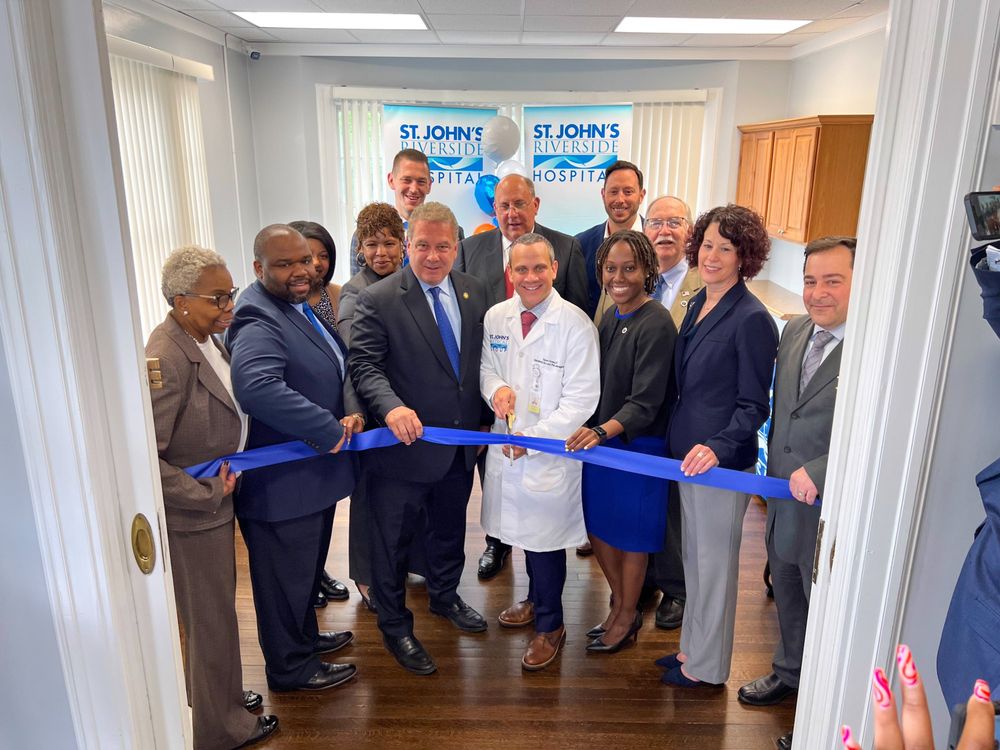
In 2023, Dr. Erosa co-founded the St. John's Interventional Spine and Pain Management Center — the first of its kind in Yonkers, New York State's third-largest city. The center's ribbon-cutting was attended by Mayor Mike Spano, who praised the team's commitment to opioid-alternative pain care for the community. Dr. Erosa is among the region's most experienced practitioners of Peripheral Nerve Stimulation, having performed over 600 PNS implants — both temporary and permanent.
He has lectured at the state and national level, contributed textbook chapters on sports medicine and chronic spine pain, and published peer-reviewed research on interventional techniques. A proud Eagle Scout — the highest rank attainable in the Boy Scouts of America — Dr. Erosa's commitment to service, leadership, and community has been a defining thread throughout his life and career. Translation services are available to ensure all patients receive the same high standard of care.
"It is my mission to identify the cause of your pain and provide a treatment that has the potential to provide the longest lasting pain relief without the need for long-term oral medications. As a born and raised New Yorker, I have a passion for helping my community thrive."
— Dr. Stephen Erosa, DO
Core Expertise
Four Dimensions of Excellence
Bridging the clinic, the classroom, and the boardroom — Dr. Erosa's career spans advanced patient care, physician education, clinical innovation, and medical technology consulting.
01
Interventional Pain Management
Advanced fluoroscopic- and ultrasound-guided procedures. Cutting-edge neuromodulation including SCS, DRG stimulation, peripheral nerve stimulation, and minimally invasive spine surgery.
02
Medical Education
Adjunct Clinical Professor at Lake Erie College of Osteopathic Medicine, state and national lecturer, textbook author, and clinical educator. Actively teaches medical students, residents, and fellows — passionate about training the next generation of pain specialists with evidence-based, hands-on instruction.
03
Research & Innovation
Two-time research grant recipient in VR analgesia and telemedicine. Published peer-reviewed author and textbook contributor. Advocate for opioid-alternative, technology-forward pain care.
04
MedTech Consulting
Key Opinion Leader for device and pharmaceutical companies. Strategic advisory on device evaluation, clinical trial design, physician training programs, and go-to-market strategy. Open to having physicians shadow advanced pain procedures and available to proctor new physicians on advanced pain procedures — please contact for more information.
Treatments
Advanced Interventional Procedures
Spinal Cord Stimulation & Neuromodulation
SCS, DRG stimulation, and peripheral nerve stimulation for complex chronic pain, CRPS, and failed back surgery syndrome.
Radiofrequency Ablation
Precision thermal nerve treatment for long-lasting relief from facet joint arthritis, sacroiliac pain, and cervical/lumbar spine conditions.
Epidural Steroid Injections
Fluoroscopically guided cervical, thoracic, and lumbar epidurals for disc herniations, radiculopathy, and spinal stenosis.
Ultrasound-Guided Injections
Real-time imaging for peripheral joint injections — hip, knee, shoulder, trigger points, and soft tissue structures.
Peripheral Nerve Stimulation (PNS)
Dr. Erosa is one of the region's most experienced PNS practitioners, having performed over 600 PNS implants — both temporary and permanent — for chronic pain conditions unresponsive to conventional therapy.
600+ Implants Performed
MILD & Minimally Invasive Spine
Outpatient, same-day procedures with rapid return to normal activities — eliminating or reducing the need for traditional open surgery.
–Minimally Invasive Lumbar Decompression (MILD)
–Sacroiliac Joint Fusion
–Posterior Lateral Spinal Fusion
Conditions Treated
Comprehensive Pain Care, Head to Toe
Dr. Erosa treats a wide spectrum of chronic musculoskeletal, neuropathic, and post-surgical pain conditions using a holistic, osteopathic approach combined with the most advanced interventional techniques available.
Spine & Back
Lumbar Radiculopathy
Spinal Stenosis / Spondylosis
Disc Herniations (Cervical & Lumbar)
Facet Joint Arthritis
Sacroiliac Joint Dysfunction & Fusion
Post-Laminectomy Syndrome
Cervical Myelopathy
Nerve & Joint Pain
Neuropathic Pain
Complex Regional Pain Syndrome (CRPS)
Cervicogenic Headache
Joint Arthritis (Hip, Knee, Shoulder)
Trochanteric Bursitis
Myofascial Pain Syndrome
Neck Pain & Whiplash
Specialized Conditions
Chronic Post-Surgical Pain
Sacrum & Coccygeal Disorders
Failed Back Surgery Syndrome
Sympathetically Mediated Pain
Oncologic Pain
Headache (Migraine & Cervicogenic)
Sprains, Strains & Muscle Tears
Services
How Dr. Erosa Can Partner With You
01
Patient Care
Comprehensive evaluation and personalized treatment plans at St. John's Riverside Medical Group, Yonkers, NY. Accepting new patients, most major insurance, Medicare, Medicaid, and telemedicine. Same-day appointments available. Spanish spoken.
Adjunct Clinical Professor at Lake Erie College of Osteopathic Medicine, actively teaching medical students, residents, and fellows. Available for grand rounds, CME-accredited events, state and national conference presentations, procedural training workshops, community health talks, and media appearances.
CME SpeakerTextbook AuthorMedia
03
MedTech Consulting
KOL advisory for device and pharmaceutical companies in the pain and neuromodulation space — clinical trial design, physician training, product evaluation, and market adoption strategy. Dr. Erosa is also open to having physicians shadow advanced pain procedures and available to proctor new physicians on advanced pain procedures. Please contact for more information.
NeuromodulationDevicesKOL Strategy
Research & Innovation
At the Frontier of Pain Medicine
Dr. Erosa brings a scientific mindset to every aspect of his work — from pioneering virtual reality analgesia research to evaluating next-generation neuromodulation devices. He is a vocal advocate for opioid-alternative, technology-forward pain care and has been featured in community media championing this mission.
Co-founder, St. John's Interventional Spine & Pain Center (2023)
600+ Peripheral Nerve Stimulation implants performed
Two-time research grant recipient — VR analgesia & telemedicine
Published peer-reviewed articles on interventional techniques
Textbook chapters: sports medicine & chronic spine pain
State and national lecturer in pain management
KOL for medical device companies in neuromodulation
600+
Peripheral Nerve Stimulation Implants Performed — Temporary & Permanent · Among the Region's Most Experienced PNS Practitioners
SCS
Spinal Cord Stimulation Expert & Proctor
DRG
DRG & Peripheral Nerve Stimulation Specialist
2023 Milestone
Co-Founding a First of Its Kind Center
In April 2023, Dr. Erosa co-founded the St. John's Interventional Spine and Pain Management Center at 1022 N. Broadway in Yonkers — the first dedicated interventional spine and pain center in Yonkers, New York State's third-largest city.
The ribbon-cutting ceremony was attended by Mayor Mike Spano, who praised the center's mission to combat the opioid crisis with cutting-edge, non-addictive pain therapies. The center was lauded as one of the first in the region to offer procedures like Peripheral Nerve Stimulation and Minimally Invasive Lumbar Decompression.
Dr. Erosa's research, conducted at Albert Einstein College of Medicine / Montefiore Medical Center, has contributed to the evidence base for precision interventional pain techniques and emerging technologies in pain care.
PM&R — Physical Medicine & Rehabilitation2019
Cervical Medial Branch Block Volume Dependent Dispersion Patterns as a Predictor for Ablation Success: A Cadaveric Study
Wahezi SE, Molina JJ, Alexeev E, Georgy JS, Haramati N, Erosa SA, Shah JM, Downie S
A cadaveric study demonstrating that smaller injectate volumes (0.25 mL vs 0.50 mL) during cervical medial branch blocks improve diagnostic specificity and accuracy of radiofrequency ablation planning — with significant implications for the treatment of cervicogenic pain and facet arthropathy.
Lumbar Medial Branch Block Volume-Dependent Dispersion Patterns as a Predictor for Ablation Success: A Cadaveric Study
Wahezi SE, Alexeev E, Georgy JS, Haramati N, Erosa SA, Shah JM, Downie S
A cadaveric investigation evaluating the impact of injectate volume on dispersion during lumbar medial branch blocks, demonstrating that 0.25 mL provides targeted nerve coating without spread to non-targeted structures — improving the reliability of diagnostic blocks prior to radiofrequency ablation for chronic low back pain.
Poster 236: The Use of a Telepresence Communications Robot by a Patient with Spinal Cord Injury to Aid in Social Reintegration and "Virtual Mobility" — A Case Report
Erosa SA, Stern M
A pioneering case report documenting the use of a telepresence robot to enable social reintegration and virtual mobility for a patient with spinal cord injury — part of Dr. Erosa's award-winning research in virtual reality, telepresence, and telemedicine technologies during his fellowship training.
Regional Anesthesia & Pain Medicine / Conference Abstract2024
ID 319320: Assessing Multi-Dimensional Improvement Following 60-Day PNS Used for Knee Pain — A Retrospective Review
Erosa S, et al.
A retrospective review evaluating multi-dimensional outcomes — including pain scores, function, and quality of life — following 60-day peripheral nerve stimulation for chronic knee pain, contributing to the growing real-world evidence base for PNS as a non-opioid alternative for joint pain.
Regional Anesthesia & Pain Medicine / Conference Abstract2024
ID 316638: Real-World Outcomes from 60-Day PNS Used for Pain in the Cluneal Nerve Distribution — Retrospective Review
Erosa S, et al.
A real-world retrospective review examining clinical outcomes of 60-day peripheral nerve stimulation targeting the cluneal nerve distribution — a novel application addressing refractory low back and sacroiliac pain that is often poorly managed with conventional therapies.
ID 207021: Significant and Sustained Relief of Shoulder Pain Following 60-Day PNS Treatment — A Real-World Retrospective Review
Shah S MD, Manvar A MD, Shah N MD, Erosa S DO, Zurn C MS, Crosby N PhD, Boggs J PhD
A real-world retrospective study demonstrating significant and sustained shoulder pain relief following 60-day peripheral nerve stimulation, with multi-site authorship validating the clinical durability of PNS across diverse patient populations. Published online June 5, 2023.
Media & Talks
Webinars, Lectures & Live Talks
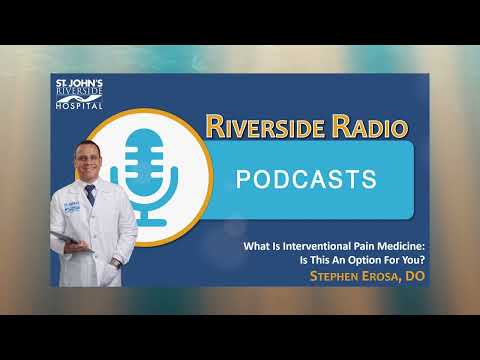
Dr. Erosa regularly shares his expertise through webinars, live demonstrations, and educational talks on interventional pain management, neuromodulation, and the future of pain medicine.
Understanding your condition is the first step toward lasting relief. Explore Dr. Erosa's treatment guides and condition overviews — drawn from the clinical expertise at Longevity Spine & Pain Institute of New York.
Spinal Cord Stimulation & Neuromodulation
Advanced implantable devices that use electrical impulses to interrupt pain signals before they reach the brain — an effective option when conservative treatments fall short.
Learn More
Radiofrequency Ablation
A minimally invasive procedure that uses targeted heat energy to disrupt pain-transmitting nerves, delivering long-lasting relief from facet joint and sacroiliac pain.
Learn More
Epidural Steroid Injections
Fluoroscopically guided injections that deliver anti-inflammatory medication directly to the epidural space, reducing nerve root inflammation from herniations and stenosis.
Learn More
Peripheral Nerve Stimulation
Dr. Erosa has performed over 600 PNS implants — both temporary and permanent — offering targeted electrical stimulation to nerves outside the spinal cord for chronic pain relief.
Learn More
Ultrasound-Guided Injections
Real-time ultrasound imaging ensures precise needle placement for peripheral joint, trigger point, and soft tissue injections — without radiation exposure.
Learn More
Regenerative Medicine
Biologic therapies that harness the body's own healing mechanisms to repair damaged tissue, reduce inflammation, and restore joint function without surgery.
Learn More
Spinal Cord Stimulation (SCS) & Neuromodulation
Spinal cord stimulation involves implanting an electronic device that sends electrical impulses through electrodes placed near the spinal cord. These impulses interrupt pain signals before they reach the brain, replacing the sensation of pain with a mild tingling. SCS typically reduces pain by 50 percent or more in appropriate candidates.
Who Is a Candidate?
SCS is considered for patients who have exhausted conservative treatments without adequate relief, are not candidates for further surgery, and have been psychologically screened. A trial period with an external device is always conducted first to evaluate response before permanent implantation.
The Implantation Process
Implantation is a two-step process: first, electrodes are positioned along the spinal cord through a small incision; then a pulse generator is implanted beneath the skin. The entire procedure typically takes 3–4 hours and is performed on an outpatient basis. Recovery involves limiting bending, lifting, and twisting for 6–8 weeks.
Additional Neuromodulation Options
DRG (Dorsal Root Ganglion) Stimulation — targets specific nerve clusters for focal pain
Peripheral Nerve Stimulation (PNS) — electrodes placed near peripheral nerves
High-frequency and burst stimulation — newer waveforms for paresthesia-free therapy
"Neuromodulation represents one of the most significant advances in non-opioid pain care. I work closely with each patient to determine the optimal approach for their specific condition."
Radiofrequency ablation, also known as radiofrequency rhizotomy or neurotomy, is a minimally invasive procedure that uses heat energy generated by radio waves to target specific nerves responsible for transmitting pain signals from injured facet joints — the small joints between the vertebrae.
The Procedure
The procedure is performed on an outpatient basis, typically under local anesthesia with sedation. Using fluoroscopic guidance to ensure precise needle placement, the physician delivers focused thermal energy to the affected nerve, disrupting its ability to send pain signals. The procedure takes approximately one hour.
Recovery & Results
Most patients resume normal activities within one day. Some soreness or numbness at the treatment site is common for the first few weeks. Pain relief generally becomes fully apparent after about 3 weeks and may last from several months to over a year. The procedure can be repeated if pain returns.
Diagnostic Testing First
Before performing RFA, Dr. Erosa conducts diagnostic medial branch blocks to confirm precisely which nerves are responsible for the pain — ensuring that ablation targets only the correct nerves for optimal results.
"Precision is everything in radiofrequency ablation. My cadaveric research at Albert Einstein demonstrated that smaller injectate volumes during diagnostic blocks improve accuracy — a finding I apply in every case."
Epidural steroid injections deliver powerful anti-inflammatory medication directly into the epidural space — the area surrounding the spinal cord and nerve roots. By reducing inflammation at the source, these injections can provide significant relief for patients with disc herniations, radiculopathy, and spinal stenosis.
Approaches
Dr. Erosa performs epidural injections using multiple approaches depending on the patient's anatomy and condition — including interlaminar, transforaminal, and caudal techniques. All injections are performed under fluoroscopic (X-ray) guidance to ensure precise medication delivery.
What to Expect
The procedure is performed on an outpatient basis and typically takes 15–30 minutes. Patients may experience temporary soreness at the injection site. Pain relief often begins within a few days, with full benefit developing over 1–2 weeks. A series of up to three injections may be recommended depending on response.
"Epidural injections are most effective when guided by fluoroscopy and used as part of a comprehensive treatment plan — not as a standalone solution."
Peripheral nerve stimulation targets nerves outside the spinal cord, using small electrodes placed near the affected nerve to deliver electrical impulses that modulate pain signals. Dr. Erosa is one of the region's most experienced PNS practitioners, having performed over 600 implants — both temporary (60-day) and permanent.
Temporary vs. Permanent PNS
Temporary PNS systems (such as 60-day percutaneous devices) allow patients to experience the benefits of nerve stimulation before committing to a permanent implant. Dr. Erosa's published research on 60-day PNS for knee pain and cluneal nerve pain demonstrates meaningful, multi-dimensional improvements in pain scores, function, and quality of life.
Conditions Treated with PNS
Chronic knee pain unresponsive to conventional therapy
Shoulder and upper extremity pain
Low back pain via cluneal nerve targeting
Post-surgical pain syndromes
Complex regional pain syndrome (CRPS)
Peripheral neuropathy
"PNS represents a true paradigm shift — it offers patients a reversible, non-destructive, opioid-free alternative to manage pain at the peripheral nerve level."
Ultrasound-guided injections use real-time imaging to visualize soft tissue structures, joints, and nerves during injection procedures. Unlike fluoroscopy, ultrasound involves no radiation exposure, making it an ideal choice for peripheral joint and soft tissue injections.
Applications
Hip, knee, and shoulder joint injections
Trigger point injections for myofascial pain
Tendon sheath injections
Bursa injections (trochanteric, subacromial)
Peripheral nerve blocks
Advantages of Ultrasound Guidance
Real-time visualization allows Dr. Erosa to see the needle entering the target structure, confirm medication delivery, and avoid nearby blood vessels and nerves — improving both safety and efficacy compared to landmark-based (blind) injections.
"Precision matters. Ultrasound guidance allows me to place medication exactly where it needs to go, every time."
Regenerative medicine leverages the body's own biological healing mechanisms to repair damaged tissue, reduce chronic inflammation, and restore function. These therapies are particularly promising for patients with joint degeneration, tendon injuries, and soft tissue damage who want to explore alternatives to surgery.
Available Therapies
Platelet-Rich Plasma (PRP) injections
Bone marrow aspirate concentrate (BMAC)
Amniotic tissue-derived therapies
What to Expect
Regenerative procedures are performed on an outpatient basis, often under ultrasound guidance. Recovery is generally mild, with most patients able to return to light activities within days. Full benefits typically develop over several weeks as the body's healing response progresses.
"Regenerative medicine isn't a cure-all — but for the right patient and the right condition, it can offer meaningful improvement without the risks of surgery."
Cervical arthritis, disc herniations, myofascial pain, and cervicogenic headaches — treated with a comprehensive approach from injections to neuromodulation.
Learn More
Back Pain
Lumbar arthritis, disc herniations, sacroiliac joint dysfunction, and spinal stenosis — the most common conditions treated at our Yonkers center.
Learn More
Joint Pain
Arthritis and degenerative conditions affecting the hip, knee, shoulder, and other peripheral joints — treated with injections, PRP, and peripheral nerve stimulation.
Learn More
Nerve Pain & Neuropathy
Neuropathic pain, peripheral neuropathy, and complex regional pain syndrome (CRPS) — conditions where nerves themselves generate pain signals.
Learn More
Chronic Post-Surgical Pain
Post-laminectomy syndrome, failed back surgery syndrome, and persistent pain after joint replacement — conditions requiring advanced interventional strategies.
Learn More
Headaches
Cervicogenic headaches originating from the neck and occipital neuralgia — often misdiagnosed as migraines, but responsive to targeted cervical interventions.
Learn More
Neck Pain
Neck pain is one of the most common musculoskeletal complaints, affecting millions of Americans each year. At Longevity Spine & Pain Institute, Dr. Erosa evaluates and treats the full spectrum of cervical spine conditions using an osteopathic, whole-patient approach.
Common Causes
Cervical Arthritis — degeneration of the facet joints, causing stiffness, limited range of motion, and referred pain
Disc Herniations — bulging or ruptured discs that compress nerve roots, producing radiating arm pain and numbness
Myofascial Pain — trigger points in the neck and upper back musculature causing referred patterns of pain
Cervicogenic Headache — headaches originating from cervical structures, often misdiagnosed as migraines
Treatment Options
Depending on the diagnosis, treatment may include cervical epidural steroid injections, medial branch blocks and radiofrequency ablation for facet-mediated pain, trigger point injections, occipital nerve blocks, or advanced neuromodulation for refractory cases.
"The cervical spine is complex — an accurate diagnosis is essential before any intervention. That's why I always start with a thorough evaluation."
Back pain is the single leading cause of disability worldwide. Dr. Erosa specializes in identifying the precise pain generator — whether it's a degenerated disc, an inflamed facet joint, or a dysfunctional sacroiliac joint — and targeting it with the most appropriate intervention.
Common Causes
Lumbar Arthritis — degenerative changes in the facet joints causing chronic axial low back pain
Disc Herniations — protruding disc material compressing nerves, producing sciatica and radiculopathy
Sacroiliac Joint Dysfunction — inflammation or instability of the SI joint, a common and often overlooked source of low back and buttock pain
Spinal Stenosis — narrowing of the spinal canal that compresses nerves, causing neurogenic claudication and leg heaviness
Treatment Options
Dr. Erosa offers a full continuum of care: epidural steroid injections, medial branch blocks followed by radiofrequency ablation, SI joint injections and fusion, MILD procedure for spinal stenosis, spinal cord stimulation, and minimally invasive lumbar decompression and fusion for appropriate surgical candidates.
"Back pain has many causes — and a 'one-size-fits-all' approach doesn't work. My goal is to find your specific pain generator and treat it at the source."
Chronic joint pain from arthritis and degenerative conditions affects the hip, knee, shoulder, and other peripheral joints. Dr. Erosa offers a range of non-surgical interventions designed to reduce inflammation, improve function, and delay or avoid joint replacement.
Treatment Approaches
Ultrasound-guided corticosteroid injections
Viscosupplementation (hyaluronic acid) for knee osteoarthritis
Platelet-Rich Plasma (PRP) therapy
Peripheral nerve stimulation for chronic knee and shoulder pain
Genicular nerve radiofrequency ablation for knee pain
"For many patients with joint pain, surgery isn't the only answer — and it shouldn't be the first answer."
Neuropathic pain occurs when nerves themselves become damaged or dysfunctional, producing burning, shooting, or electric-shock-like sensations. These conditions are among the most challenging to treat with conventional approaches — and among the most responsive to neuromodulation.
Dr. Erosa is highly experienced in DRG (Dorsal Root Ganglion) stimulation and peripheral nerve stimulation — two targeted neuromodulation approaches that are particularly effective for focal neuropathic pain conditions, especially CRPS.
"Neuropathic pain responds poorly to oral medications alone. Neuromodulation offers these patients a real path forward."
Chronic post-surgical pain — including post-laminectomy syndrome (failed back surgery syndrome) — occurs when patients continue to experience significant pain after spinal or joint surgery. This affects up to 40% of spinal surgery patients and requires a specialized interventional approach.
Spinal cord stimulation is considered a first-line treatment for failed back surgery syndrome, supported by strong clinical evidence. Dr. Erosa also offers DRG stimulation, adhesiolysis, and targeted epidural procedures for post-surgical patients.
"If your surgery didn't solve your pain, don't lose hope. Advanced neuromodulation can offer meaningful relief where other approaches have failed."
Cervicogenic headaches originate from structures in the cervical spine — including the facet joints, discs, and upper cervical nerves — and are frequently misdiagnosed as migraines or tension headaches. Accurate diagnosis is critical because cervicogenic headaches respond to targeted cervical interventions, not typical headache medications.
Signs of Cervicogenic Headache
Pain starting in the neck and radiating to the head
Headache triggered by neck movement or sustained postures
Reduced range of motion in the cervical spine
One-sided headache with associated neck stiffness
Treatment Options
Treatment includes cervical medial branch blocks and radiofrequency ablation, greater and lesser occipital nerve blocks, trigger point injections, and for refractory cases, occipital nerve stimulation.
"Many patients have been told 'it's just migraines' for years — when in fact the pain is coming from their neck. Proper diagnosis changes everything."
Your first visit will include a comprehensive evaluation of your pain history, physical examination, and review of any imaging or prior treatment records. Dr. Erosa will discuss a personalized treatment plan with you and answer all of your questions. Please bring your insurance card, photo ID, a list of current medications, and any relevant imaging (MRI, X-ray, CT scan).
Do you accept my insurance?
+
We accept most major private insurance plans, all IHC insurance, Medicare, and Medicaid. We recommend calling our office at (914) 904-4040 to confirm your specific plan before your visit.
Are telemedicine appointments available?
+
Yes. We offer telehealth appointments for initial consultations, follow-ups, and medication management. This is particularly helpful for patients with mobility limitations or those who live outside the immediate Yonkers area.
What is peripheral nerve stimulation (PNS)?
+
PNS is a minimally invasive treatment that places a small electrode near a peripheral nerve to deliver mild electrical impulses that block pain signals. It is available as a temporary 60-day treatment or a permanent implant. Dr. Erosa has performed over 600 PNS procedures and has published research on its effectiveness for knee and low back pain.
Do I need a referral to see Dr. Erosa?
+
Some insurance plans require a referral from your primary care physician. We recommend checking with your insurance provider. If a referral is needed, we can assist with the process. Self-referrals are accepted for many plans.
Are translation services available?
+
Yes. Translation services are available to ensure all patients receive the same high standard of care regardless of their primary language. Please let us know when scheduling your appointment if translation assistance is needed.
How long do procedures take, and will I need someone to drive me?
+
Most interventional procedures take between 15 minutes and one hour. If sedation is used, you will need a driver. For office-based injections without sedation, you can typically drive yourself. Specific pre-procedure instructions will be provided when your appointment is scheduled.
Insights
From Dr. Erosa's Desk
Clinical perspectives, treatment breakthroughs, and patient education articles from the intersection of interventional pain medicine and innovation.